
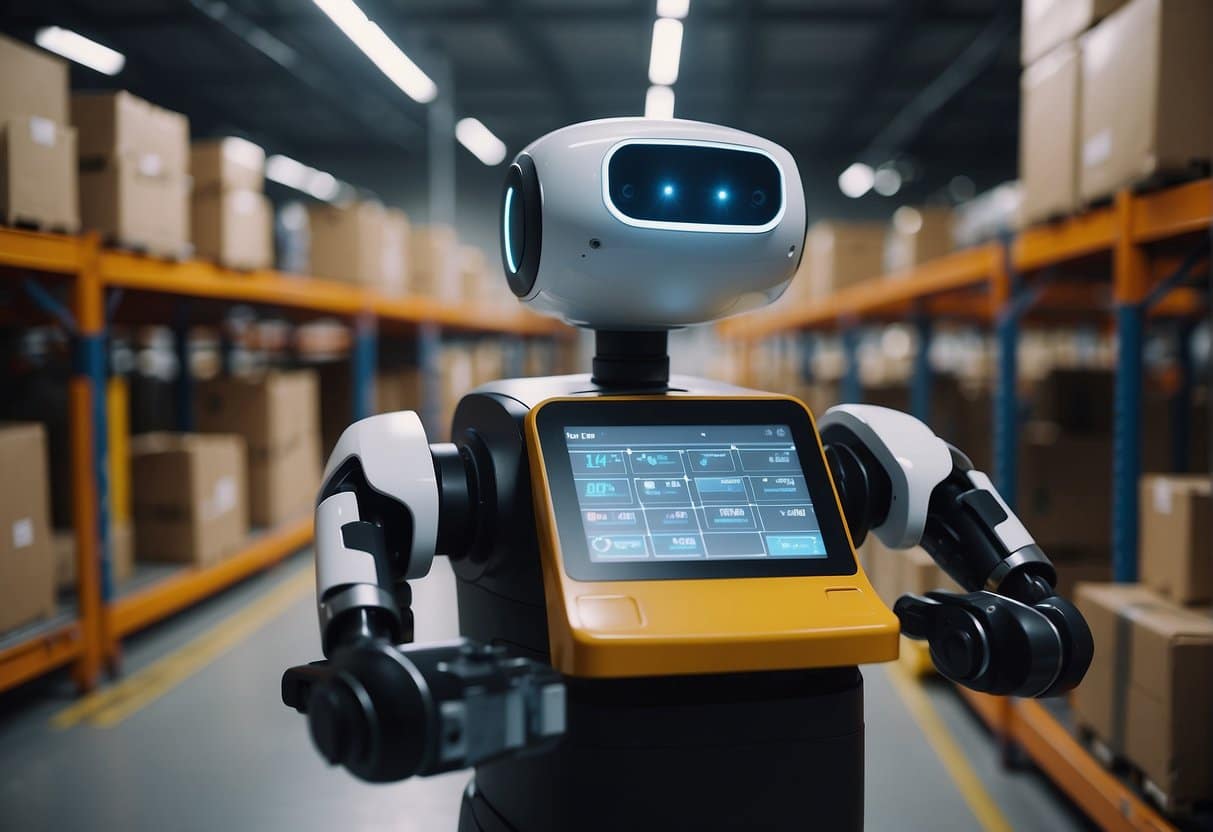
The logistics and supply chain industry faces constant pressure to deliver faster, reduce costs, and meet growing customer expectations. AI technologies provide advanced tools for predicting demand, optimizing routes, automating warehouses, and making supply chains more intelligent and resilient.
Demand Forecasting and Inventory Optimization
AI analyzes historical sales, market trends, and external factors like weather or economic indicators to forecast demand accurately.
Benefits:
Reduces overstock and stockouts
Optimizes warehouse space
Improves production planning
Minimizes holding costs
With AI, companies can ensure the right products are in the right place at the right time.
Route Planning and Transportation Optimization
Machine learning algorithms optimize delivery routes based on traffic patterns, weather, and delivery priorities.
Advantages:
Shorter delivery times
Lower fuel costs
Reduced carbon footprint
Real-time adjustments to delays or disruptions
AI ensures timely deliveries while maximizing efficiency.
Predictive Maintenance
AI monitors equipment and vehicles to predict failures before they occur.
Applications:
Fleet maintenance scheduling
Warehouse equipment monitoring
Reducing downtime due to breakdowns
Extending the lifespan of assets
Predictive maintenance improves reliability and reduces operational costs.
Automated Warehouse Operations
AI and robotics streamline warehouse tasks such as picking, packing, sorting, and inventory tracking.
Capabilities:
AI-powered robotic pickers
Smart shelving and inventory tracking
Real-time stock level updates
Automated quality inspection
Automation increases accuracy, speeds up operations, and reduces human error.
Supply Chain Risk Management
AI models analyze data to detect risks and disruptions in supply chains.
Use Cases:
Early warning for delays
Supplier performance analysis
Geopolitical or environmental risk assessment
Demand fluctuation monitoring
This allows businesses to respond proactively and maintain continuity.
Customer Experience Enhancement
AI enables more reliable and transparent supply chains, improving customer satisfaction.
Examples:
Real-time tracking updates
Accurate delivery time predictions
Personalized notifications
Faster response to order issues
Satisfied customers are more likely to remain loyal and recommend services.
AI is transforming logistics and supply chain management by providing predictive insights, optimizing operations, and automating workflows. Companies that adopt AI can reduce costs, improve efficiency, and deliver superior customer experiences—ensuring a competitive advantage in a fast-paced, global market.