• Home
  • Blockchain
  • NFT Marketplace Development: Creating Digital Collectible Platforms
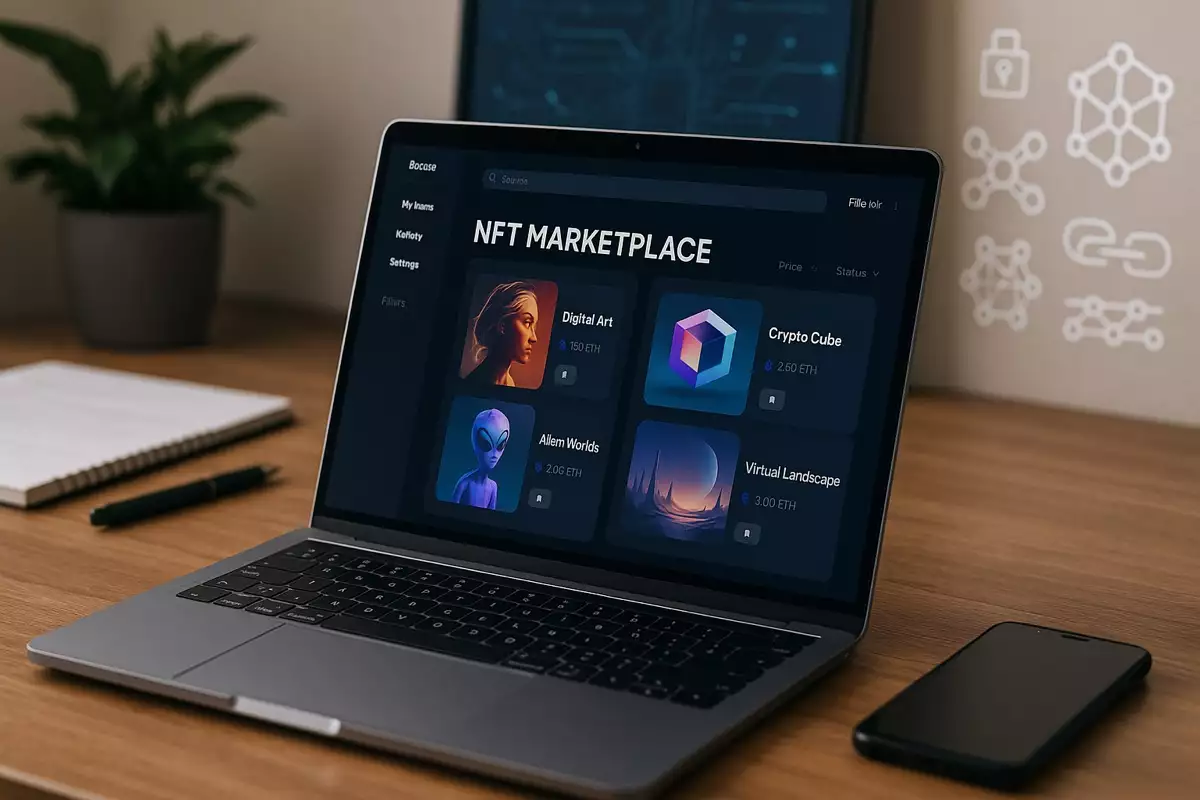
NFTs (Non-Fungible Tokens) have transformed the digital asset space, enabling unique ownership of art, collectibles, and digital content. NFT marketplaces are platforms where creators mint, sell, and trade NFTs, while collectors can discover, buy, and sell tokens seamlessly.
Developing a successful NFT marketplace requires blockchain expertise, smart contract development, wallet integration, and a user-centric design approach.

What Is an NFT Marketplace?
An NFT marketplace is a digital platform for creating, listing, and trading NFTs. It connects creators with buyers and can support auctions, fixed-price sales, and secondary market transactions.
Benefits:

Empowers creators: Monetize digital assets directly
Global reach: Buyers and sellers worldwide
Liquidity: Supports secondary markets for collectibles
Transparency: Ownership and transaction history are verifiable


Core Components of an NFT Marketplace

Minting Engine: Allows creation of NFTs
Smart Contracts: Handle ownership transfer, royalties, and auctions
User Wallets: Support popular wallets like MetaMask, WalletConnect
Marketplace UI/UX: Listings, filters, search, bidding interfaces
Analytics & Dashboard: Track sales, royalties, and activity


Blockchain Selection and Smart Contracts
Choosing the right blockchain impacts scalability, fees, and speed:

Ethereum: Most popular, supports ERC-721/ERC-1155
Solana: Low transaction fees, high throughput
Polygon: Layer-2 solution for Ethereum, cost-efficient

Smart contracts must be secure, audited, and upgradable, as they govern all transactions.

Wallets, Payments, and Security
Key elements:

Wallet Integration: MetaMask, Coinbase Wallet, Phantom
Payment Gateways: Support crypto and possibly fiat on/off ramps
Security Measures: Multi-sig, regular audits, bug bounties

Security is critical: NFT marketplaces are prime targets for exploits.

User Experience and Platform Design
A great marketplace requires intuitive design:

Smooth onboarding for creators and buyers
Clear transaction steps and confirmation
Mobile responsiveness
Analytics and portfolio management

UX directly affects adoption and marketplace liquidity.

Cross-Chain and Interoperability Considerations
Cross-chain marketplaces allow NFTs to move across multiple blockchains, increasing liquidity and market size. This requires bridges, wrapped tokens, and standardized protocols.

Trends and Future Outlook

Fractionalized NFTs for shared ownership
NFT integration in gaming, metaverse, and social apps
AI-assisted curation and recommendation engines
DAO-driven NFT communities

NFT marketplaces are evolving from niche collectibles to integrated digital ecosystems.

https://richman.dev/blockchain-web3/
#NFTMarketplace #NFTDevelopment #SmartContracts #BlockchainSolutions #Web3 #DigitalCollectibles #CryptoWallets

Share this post

Subscribe to our newsletter

Keep up with the latest blog posts by staying updated. No spamming: we promise.
By clicking Sign Up you’re confirming that you agree with our Terms and Conditions.

Related posts