Artificial Intelligence (AI) and Machine Learning (ML) have transformed the way businesses operate. From predictive analytics to natural language processing (NLP) and computer vision, AI is no longer a futuristic concept—it’s a strategic necessity for enterprises aiming to stay competitive.
In this article, we explore how AI and ML are applied in enterprise software, key benefits, and how companies can integrate these technologies effectively.
AI and ML in Enterprise Software
AI software development allows enterprises to automate routine tasks, gain insights from massive datasets, and improve decision-making. Common applications include:
- Predictive analytics software – forecasting trends and outcomes
- AI-powered chatbots – enhancing customer support and engagement
- Computer vision solutions – for security, quality control, and automation
- Natural Language Processing (NLP) – analyzing customer feedback, automating document processing
- Generative AI – content creation, report generation, and automated coding
These technologies are increasingly integrated into enterprise resource planning (ERP), CRM systems, and SaaS platforms, creating smarter business processes.
Benefits of Integrating AI and ML
Implementing AI and ML in enterprise software provides multiple advantages:
- Enhanced decision-making – data-driven insights allow managers to make informed choices
- Process automation – repetitive tasks are handled efficiently, reducing human error
- Predictive maintenance – anticipate equipment failures or system issues before they occur
- Improved customer experience – personalized recommendations, faster responses, and proactive support
- Cost optimization – AI identifies inefficiencies and optimizes resource allocation
Enterprises adopting AI often see measurable improvements in productivity, customer satisfaction, and ROI.
AI for Industry-Specific Solutions
Different industries benefit from AI in unique ways:
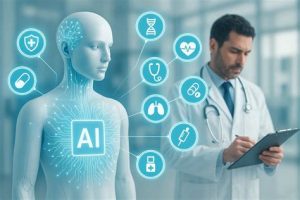
- Healthcare: AI helps diagnose diseases, optimize patient workflows, and predict treatment outcomes
- Education: AI provides personalized learning paths and adaptive content for students
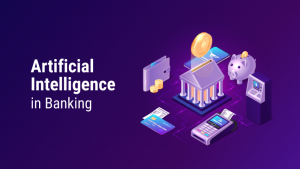
- Finance: Fraud detection, risk management, and predictive analytics
- Retail & E-commerce: Recommendation engines, inventory optimization, and automated customer service
- Logistics & Supply Chain: Predictive demand forecasting and route optimization
How to Successfully Implement AI in Enterprise Software
To ensure AI integration delivers real value, companies should follow these steps:
- Define clear business objectives – know what problems AI will solve
- Assess data readiness – quality, volume, and structure of datasets
- Choose the right AI/ML technologies – TensorFlow, PyTorch, or custom solutions
- Develop scalable software architecture – cloud integration, APIs, and data pipelines
- Monitor and optimize – continuously measure performance, retrain models, and refine algorithms
Richman Software’s AI Expertise
At Richman Software, we provide AI and ML development services tailored for enterprises:
- End-to-end AI software development
- Predictive analytics and business intelligence solutions
- NLP and computer vision systems
- AI-powered chatbots and generative AI tools
- Data science consulting for optimized AI strategy
Our teams combine deep technical expertise and business insight to create AI solutions that drive real results.
AI and Machine Learning are game-changers for enterprise software in 2025. Companies leveraging these technologies gain automation, predictive insights, and improved customer experiences, creating a competitive edge.
Partnering with experts like Richman Software ensures that AI integration is smooth, effective, and aligned with your business goals.