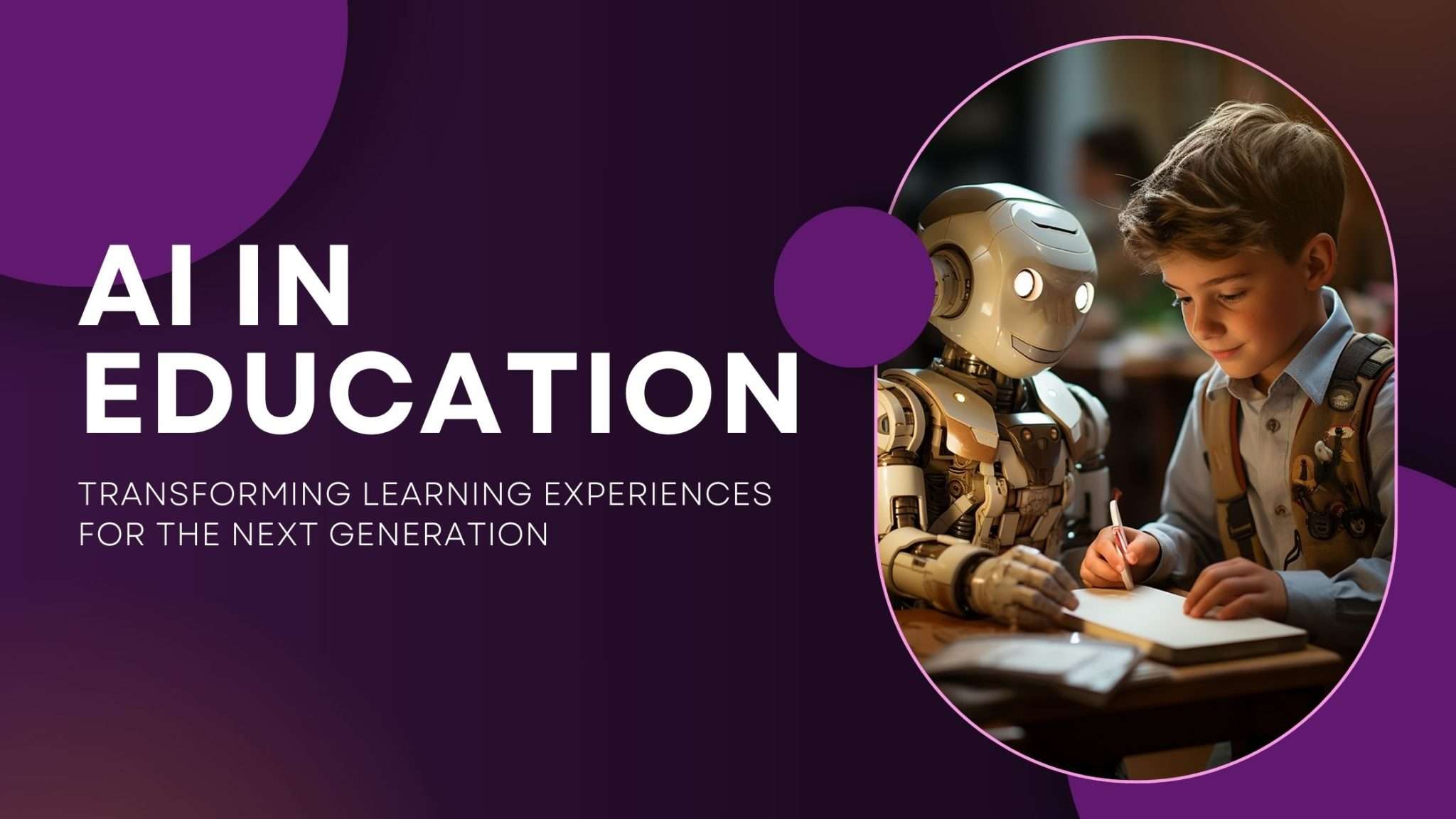
Artificial Intelligence is reshaping modern education by enabling personalized learning, automating administrative tasks, supporting teachers, and improving student engagement. This article explores the key AI technologies powering the EdTech revolution and how schools, universities, and online platforms use them to deliver data-driven, scalable, and interactive learning experiences.
Education is undergoing a major transformation powered by Artificial Intelligence. What once required large teams of educators and administrators can now be supported by intelligent systems that analyze student behavior, personalize instruction, and automate routine tasks.
AI is not replacing teachers — it is amplifying their capabilities and enabling them to focus on what matters most: meaningful, human-centered teaching.
Personalized and Adaptive Learning
Every student learns differently. AI-powered adaptive learning platforms analyze:
- progress
- strengths and weaknesses
- preferred learning styles
- engagement metrics
- behavior patterns
Based on these insights, they automatically adjust:
- lesson difficulty
- learning pace
- task recommendations
- content format (video, text, exercises)
Benefits:
Higher student engagement
Improved exam performance
Faster mastery of concepts
Reduced dropout rates
AI Tutors & Learning Assistants
AI tutors provide 24/7 support, helping students understand complex topics or prepare for exams.
Capabilities:
- instant explanations
- step-by-step problem solving
- interactive quizzes
- real-time feedback
- homework assistance
These virtual assistants ensure that help is always available, even outside classroom hours.
NLP-Powered Tools for Reading & Writing Skills
Natural Language Processing (NLP) improves language learning and academic writing.
Examples:
- Grammar and style correction
- Reading comprehension tools
- Automated essay scoring
- Plagiarism detection
- Text simplification for younger learners
These tools help students become better communicators while reducing teacher workload.
Predictive Analytics for Student Performance
AI analyzes historical and real-time data to identify patterns that humans may overlook.
Key predictions include:
- risk of dropping out
- likelihood of failing a class
- engagement levels
- attendance issues
- areas where extra support is needed
Schools use these insights to intervene early and improve student success rates.
Intelligent Administrative Automation
AI automates time-consuming administrative tasks:
- scheduling
- attendance tracking
- grading
- document processing
- enrollment management
- course planning
This reduces operational costs and frees educators for more impactful work.
AI in Virtual & Remote Learning
With the rise of online education, AI ensures a smooth learning experience.
AI enhances remote learning by:
- monitoring student engagement via camera analytics
- generating personalized content on the fly
- identifying cheating or irregular behavior during exams
- enabling voice-controlled learning interfaces
These systems help maintain fairness and improve digital classroom interactions.
Special Education Support
AI tools offer major advantages for learners with special needs.
Use cases:
- speech recognition for non-verbal students
- tools for dyslexia and reading challenges
- personalized learning paths
- emotion-recognition systems to assist teachers
- virtual therapists and social skills assistants
Education becomes more inclusive and accessible.
Benefits for Institutions and EdTech Platforms
AI provides:
- data-driven decision-making
- consistent teaching quality
- reduced operational costs
- optimized resource allocation
- improved student results
- scalable learning systems
This makes AI an essential investment for modern educational organizations.
AI is revolutionizing the education sector by enabling personalized learning, intelligent tutoring systems, data-driven insights, and efficient administration. Schools and EdTech platforms that adopt AI now will be better prepared for the future—where learning is adaptive, interactive, and tailored to every student.