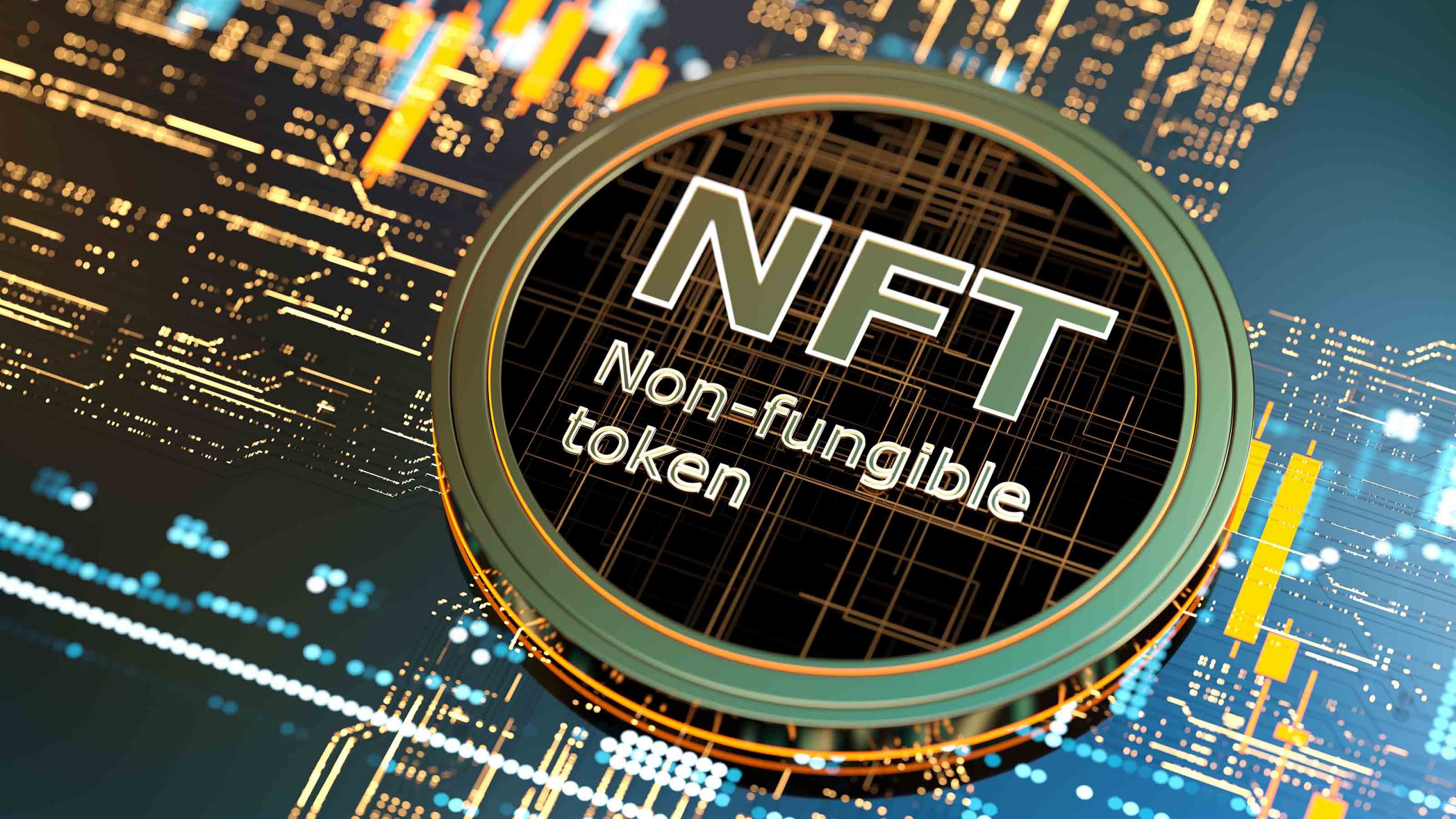
NFTs (Non-Fungible Tokens) have transformed digital ownership, giving creators a way to prove authenticity and monetize their work. NFT marketplaces act as platforms for trading, minting, and managing digital assets, enabling seamless peer-to-peer transactions.
NFT Technology Basics
- ERC-721 & ERC-1155 tokens: Define standards for unique or semi-fungible assets on Ethereum
- Smart contracts: Automate transfers and royalties
- Blockchain networks: Ethereum, Solana, Polygon, and Flow support NFT trading
These elements ensure ownership is verifiable, transparent, and secure.
How NFT Marketplaces Operate
- Minting: Creators turn digital assets into NFTs using smart contracts
- Listing: Assets are uploaded and made available for sale or auction
- Transactions: Buyers purchase NFTs using cryptocurrency
- Royalties: Smart contracts can automatically pay creators a percentage on resales
Key Benefits of NFT Marketplaces
- Ownership & Provenance: Blockchain guarantees authenticity
- Creator Monetization: Automatic royalty distribution
- Global Access: Anyone can buy or sell worldwide
- Transparency: Public ledger ensures all transactions are traceable
Types of NFT Marketplaces
- Open Marketplaces: Anyone can create, buy, or sell (OpenSea)
- Curated Marketplaces: Only verified creators can list assets
- Gaming Marketplaces: NFTs for in-game items and P2E economies
Real-World Examples
- OpenSea: Largest NFT marketplace, supports art, collectibles, and virtual goods
- Rarible: Community-driven platform for digital art
- Axie Infinity Marketplace: Game assets trading for P2E users
Tips for Building an NFT Marketplace
- Ensure smart contract security
- Support multi-chain compatibility for broader reach
- Focus on UX/UI design for frictionless navigation
- Integrate social features and communities for engagement
- Optimize payment gateways and crypto wallet integration
Challenges & Considerations
- High blockchain fees (Ethereum gas)
- Scalability and performance for high-traffic platforms
- Legal compliance for digital assets in different jurisdictions
- Environmental concerns with proof-of-work networks
NFT marketplaces are more than a trend—they redefine digital ownership, empower creators, and expand commerce possibilities. Businesses entering this space must focus on security, usability, and community-building to succeed.