
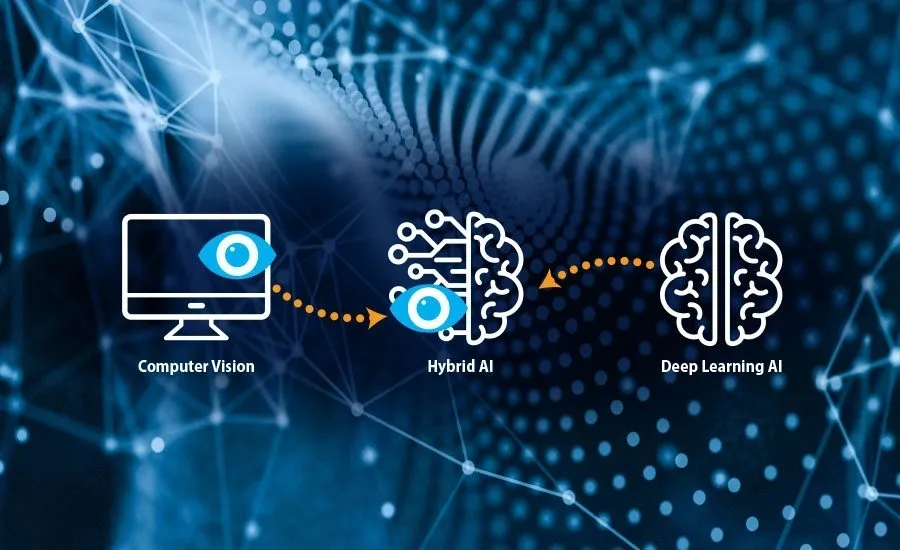
Computer Vision is one of the most impactful branches of AI, enabling machines to interpret and analyze visual data such as images and videos. Businesses across industries are leveraging computer vision to automate processes, improve accuracy, and unlock insights from visual information.
From security surveillance and healthcare diagnostics to retail analytics and autonomous systems, computer vision is transforming how organizations interact with visual data.
What Is Computer Vision?
Computer Vision is a field of AI that enables systems to process and understand visual inputs using:
- Machine Learning
- Deep Learning (CNNs)
- Image Processing Algorithms
These systems can detect objects, classify images, recognize faces, and track movement in real time.
Key Applications
Object Detection & Recognition
- Identifying products in retail
- Detecting defects in manufacturing
- Facial recognition systems
Video Analytics
- Security monitoring
- Behavior analysis
- Traffic and crowd management
Medical Imaging
- Disease detection (X-rays, MRIs)
- Automated diagnostics
- Radiology assistance
Retail & E-commerce
- Visual search
- Inventory tracking
- Customer behavior analysis
Technology Stack
Computer vision systems are typically built using:
- TensorFlow / PyTorch
- OpenCV
- YOLO / ResNet models
- Cloud AI services
Implementation Challenges
- Large dataset requirements
- Model accuracy and bias
- Real-time processing constraints
- Integration with existing systems
Future Trends
- Edge AI for real-time processing
- AI-powered video surveillance
- Autonomous vehicles and robotics
- AR/VR integration