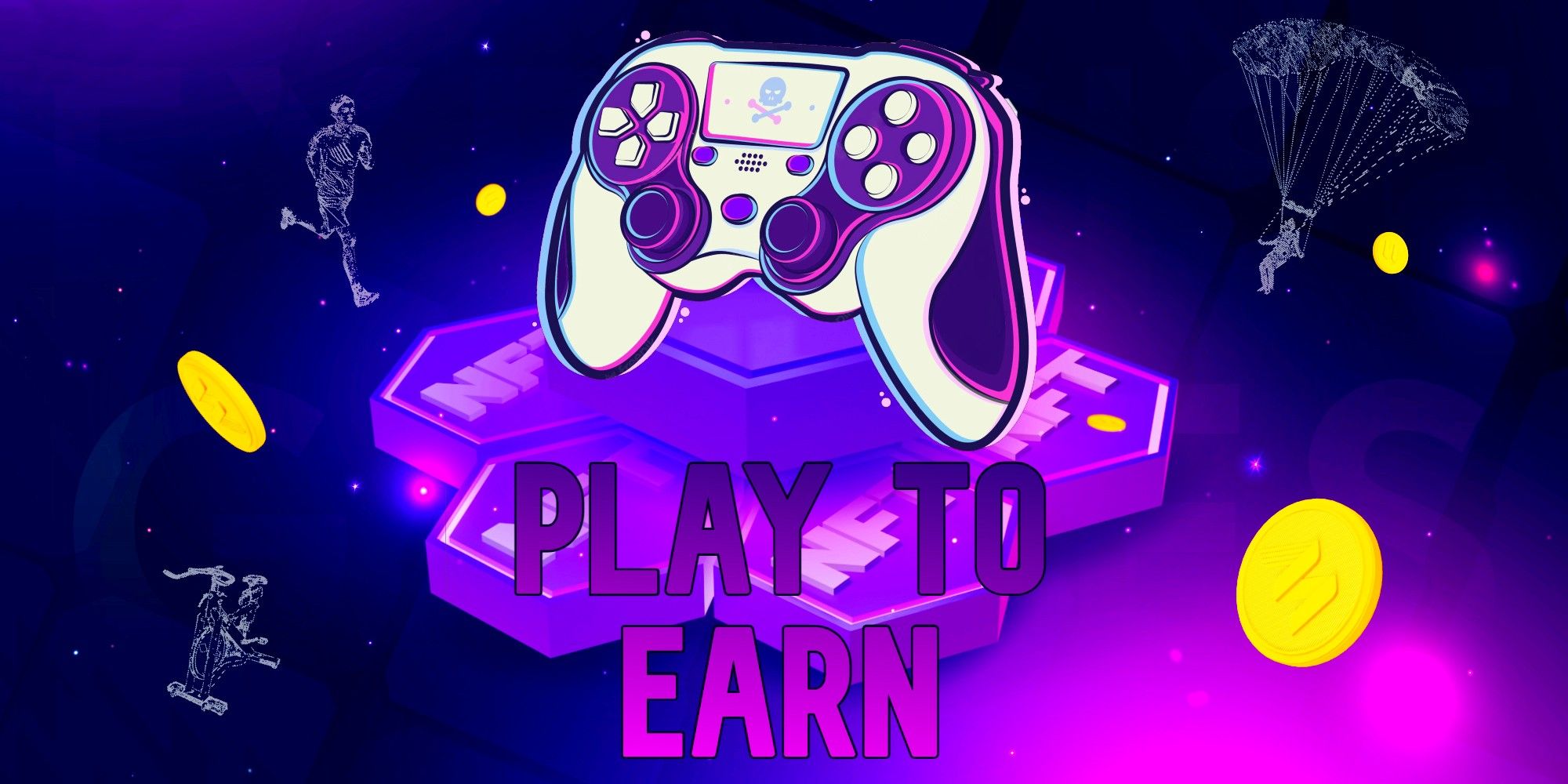
The gaming industry is undergoing a major transformation as blockchain technology introduces true digital ownership and decentralized economies. Web3 gaming enables players to own, trade, and monetize in-game assets through NFTs and cryptocurrencies.
Unlike traditional games where assets remain locked within centralized servers, Web3 games allow players to control their digital items and participate in the economic ecosystem.
This paradigm shift has given rise to new models such as:
- Play-to-Earn (P2E)
- Play-to-Own (P2O)
- GameFi ecosystems
Key Components of Web3 Games
NFT-Based Asset Ownership
In Web3 games, digital items such as characters, skins, weapons, or land are represented as NFTs.
These NFTs provide:
- Verifiable ownership
- Scarcity and rarity mechanics
- Interoperability across platforms
- Secondary market trading
Token-Based Game Economies
Many Web3 games use dual-token economic systems:
- Utility tokens used for in-game actions
- Governance tokens used for ecosystem voting
Tokenomics design must carefully balance:
- Inflation
- reward distribution
- long-term sustainability
Smart Contract Game Logic
Blockchain smart contracts govern:
- asset minting
- marketplace trading
- reward distribution
- governance systems
This ensures transparency and fairness in the game economy.
Multiplayer and Social Game Mechanics
Web3 games often emphasize community participation and social economies.
Examples include:
- player guilds
- cooperative quests
- NFT asset trading markets
- DAO governance systems
Communities become stakeholders in the game ecosystem.
Game Engine Integration
Modern Web3 games are typically built using advanced engines such as:
- Unity
- Unreal Engine
- WebGL frameworks
Blockchain integration layers connect these engines with wallet infrastructure and smart contracts.
Web3 Gaming Challenges
Developers must overcome several challenges:
- transaction latency
- high gas fees
- wallet onboarding complexity
- regulatory uncertainty
Layer-2 networks and optimized infrastructure are helping solve many of these issues.
Future of Web3 Gaming
The next generation of blockchain games will likely include:
- AI-generated worlds
- fully decentralized metaverse economies
- cross-game asset interoperability
- immersive VR/AR experiences
Web3 gaming is expected to become a multi-billion dollar sector within the next decade.