
Predictive analytics powered by AI is transforming how businesses make decisions. By analyzing historical data and identifying patterns, AI models can forecast trends, optimize operations, and guide strategic planning. This article explores the benefits of predictive analytics, real-world applications, and how companies can leverage it to gain a competitive edge.
What Is Predictive Analytics?
Predictive analytics is a branch of data science that uses machine learning (ML), statistical algorithms, and AI to analyze historical data and predict future outcomes. Unlike traditional analytics, which focuses on understanding what happened, predictive analytics forecasts what is likely to happen next.
How AI Enhances Predictive Analytics
AI improves predictive analytics in several ways:
Automated Data Processing: AI handles large datasets quickly and accurately.
Pattern Recognition: Machine learning identifies complex correlations that humans might miss.
Real-Time Forecasting: AI models can continuously learn from new data for up-to-date predictions.
Decision Support: Predictions are transformed into actionable insights for business strategy.
Key Applications in Business
a) Marketing and Sales
Predictive models forecast customer behavior, recommend personalized campaigns, and optimize pricing strategies. Businesses can target high-value leads, reduce churn, and maximize ROI.
b) Supply Chain and Logistics
AI predicts demand fluctuations, identifies potential bottlenecks, and optimizes inventory management. This reduces costs, prevents stockouts, and improves delivery efficiency.
c) Finance and Risk Management
Predictive analytics helps assess credit risk, detect fraud, and forecast market trends. Financial institutions can make smarter lending decisions and reduce losses.
d) Healthcare
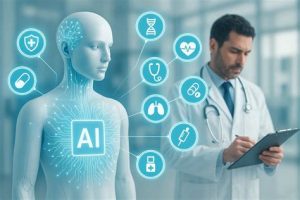
AI models predict disease outbreaks, patient readmissions, and treatment outcomes. Hospitals and clinics can optimize staffing, improve patient care, and reduce operational costs.
e) Human Resources
Predictive analytics forecasts employee turnover, identifies high-potential candidates, and optimizes workforce planning, helping organizations retain talent and reduce recruitment costs.
Benefits of Predictive Analytics
Smarter Decision-Making: Transform data into actionable insights.
Increased Efficiency: Automate planning and forecasting.
Risk Reduction: Anticipate issues before they occur.
Cost Savings: Optimize resource allocation and reduce waste.
Competitive Advantage: Stay ahead by anticipating trends and market shifts.
How Richman Software Development Implements Predictive Analytics
At Richman Software Development, we develop AI-powered predictive analytics solutions tailored to business needs. Our process includes:
Data Collection and Cleansing: Gathering relevant data from multiple sources.
Machine Learning Model Development: Training algorithms to identify patterns and forecast outcomes.
Integration into Business Processes: Embedding predictive insights into dashboards and workflows.
Continuous Improvement: Monitoring model performance and refining predictions over time.
Our clients benefit from data-driven strategies that enhance decision-making and improve operational efficiency.
Future Trends
Real-Time Predictive Analytics: AI models continuously update predictions as new data arrives.
Explainable AI (XAI): Ensures transparency and trust in predictive models.
Integration with IoT: Combining sensor data with predictive analytics for smarter operations.
Cross-Industry Applications: From smart cities to personalized retail experiences, predictive analytics will become ubiquitous.
Predictive analytics powered by AI is no longer optional — it’s a strategic necessity. Businesses that harness data to anticipate trends, optimize operations, and make informed decisions gain a significant competitive advantage.
With Richman Software Development, companies can implement scalable, AI-driven predictive analytics solutions that transform raw data into actionable business intelligence.