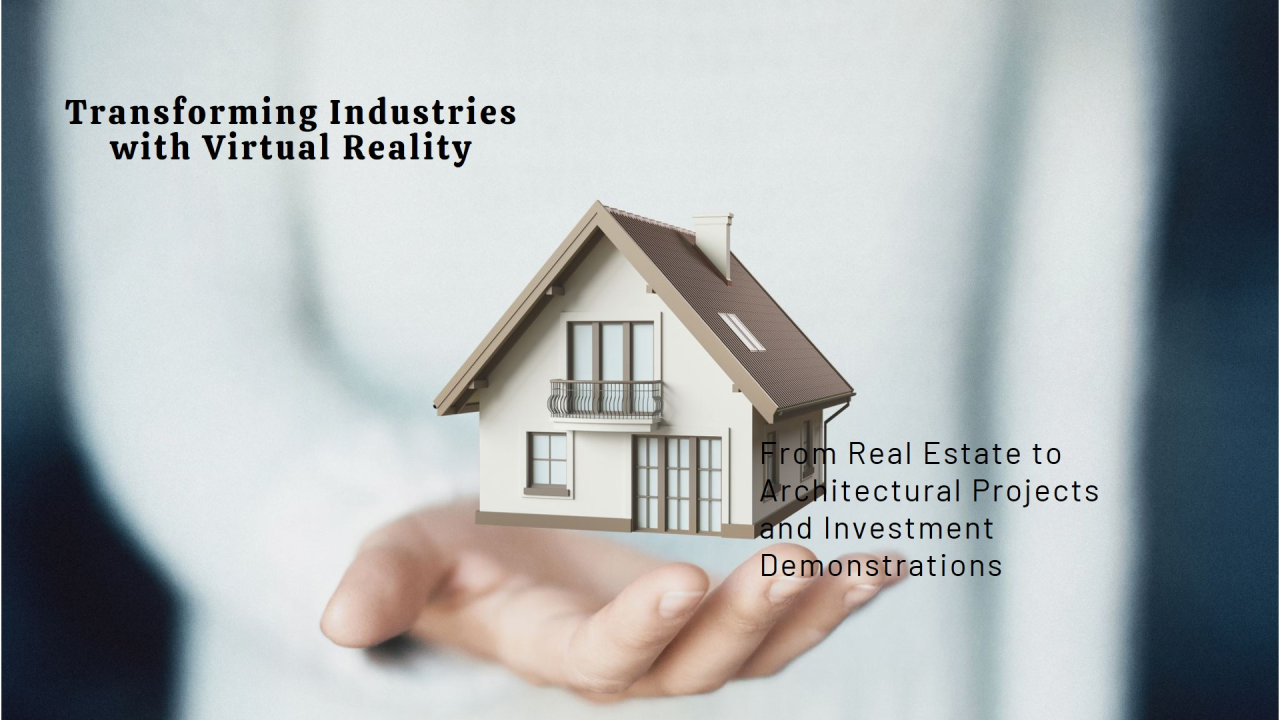
Virtual Reality (VR) has evolved from being a tool for gaming to a transformative technology across industries. Its immersive and interactive capabilities enable organizations to innovate in customer engagement, training, project visualization, and investment pitches.
At Richman Software, we specialize in creating tailored VR solutions that redefine possibilities for real estate, manufacturing, architecture, and more. In this article, we explore the transformative applications of VR, including how it supports expo demonstrations, architectural previews, and investment presentations, in addition to real estate and specialist training.
The Growing Potential of Virtual Reality
Virtual Reality creates fully immersive digital environments, allowing users to interact with simulated scenarios. It delivers significant advantages, such as:
- Enhanced Visualization: Making abstract concepts tangible through 3D renderings and interactions.
- Safe Experimentation: Offering controlled spaces for demonstrations and training.
- Improved Engagement: Providing interactive experiences that captivate and inform audiences.
VR Applications Across Key Industries
Real Estate: 3D Viewing of Properties
VR has revolutionized how properties are showcased and sold.
- Virtual Tours: Buyers can explore homes or commercial spaces from anywhere, eliminating the need for physical visits.
- Customization Options: Clients can visualize design changes, such as furniture layouts or interior colors, before purchase.
- Pre-Construction Visualization: Future projects can be presented as lifelike simulations, helping buyers and investors see the end product.
Architectural Previews
VR is a game-changer for architects and urban planners.
- 3D Project Demonstrations: Present complex projects in an immersive format, showing details such as textures, lighting, and spatial dimensions.
- Collaboration Tools: Designers and stakeholders can explore projects together in VR, making real-time adjustments.
- Client Engagement: Help clients visualize their future homes, offices, or public spaces in stunning detail.
Expo Demonstrations
Expos and trade shows demand attention-grabbing presentations, and VR delivers.
- Interactive Booths: Showcase products or services through immersive VR experiences that stand out from traditional displays.
- Dynamic Storytelling: Present company histories, workflows, or product benefits in a compelling narrative format.
- Product Simulations: Let attendees interact with prototypes or models in a virtual setting.
Investment Demonstrations
Securing funding often requires more than just data—it demands vision. VR can make your investment pitch unforgettable.
- Immersive Presentations: Showcase future projects, such as infrastructure developments or startup products, with realistic 3D renderings.
- Scenario Simulations: Demonstrate the potential impact of investments by simulating their implementation.
- Data Visualization: Present financial metrics, growth projections, or market analysis within a VR environment for deeper understanding.
Aviation and Specialist Training
VR provides realistic, risk-free environments for training professionals in aviation, manufacturing, and other industries.
- Flight Simulations: Enable pilots to practice critical skills in lifelike conditions.
- Equipment Training: Teach employees how to operate complex machinery without the risks of physical trials.
- Safety Drills: Prepare workers for emergencies such as fires or equipment malfunctions in controlled scenarios.
Benefits of VR Across Industries
- Cost Efficiency: Reduces travel, material, and operational costs by bringing experiences to virtual platforms.
- Global Reach: Breaks geographical barriers, allowing businesses to engage audiences worldwide.
- Data Insights: Tracks user behavior in VR environments to refine future offerings.
- Sustainability: Reduces the need for physical resources, supporting environmentally friendly practices.
How Richman Software Develops VR Solutions
Our approach to VR development ensures impactful solutions tailored to your industry:
Understanding Client Goals: Collaborating to identify pain points and objectives.
Immersive Design: Using tools like Unreal Engine and Unity3D to create lifelike simulations.
Advanced Features: Integrating AI-driven personalization, haptic feedback, and multi-user capabilities.
Testing and Deployment: Ensuring smooth performance across devices.
Ongoing Support: Keeping VR systems updated and aligned with evolving needs.
The Future of Virtual Reality
Emerging trends in VR include:
- 5G Connectivity: Enabling real-time, high-quality VR experiences.
- AI-Enhanced Interactions: Creating more realistic and adaptive environments.
- Integration with AR and IoT: Combining VR with real-world data for hybrid experiences.
Partner with Richman Software for VR Solutions
Whether you’re looking to revolutionize real estate tours, captivate expo attendees, pitch investments, or train specialists, VR is the key to delivering innovative and engaging experiences. At Richman Software, we provide end-to-end VR solutions tailored to your needs, empowering you to stay ahead in your industry.
Let’s create the future together—one immersive experience at a time.
#VirtualReality #Innovation #RichmanSoftware #Architecture #RealEstate #Expo #Training #Investment #DigitalTransformation